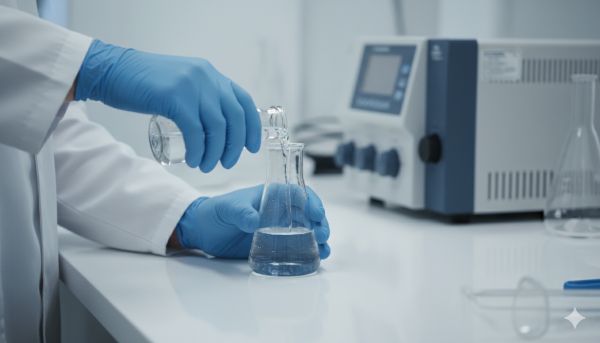



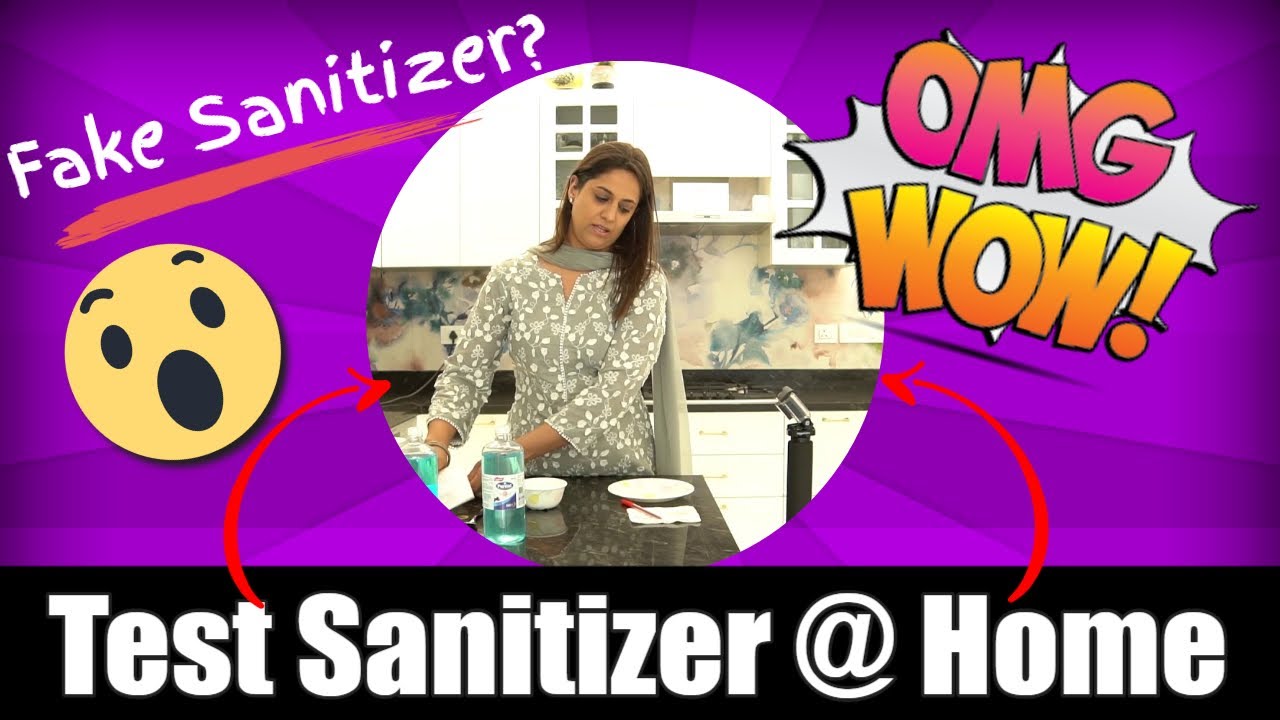
How to Test a Hand Sanitizer at Home: 3 Easy Simple Tests
Not sure if your hand sanitizer actually works? Try these 3 simple at-home tests — evaporation, paper ink, and flame — to check alcohol content and effectiveness before your next lab test.
Expert articles on laboratory testing, accreditation standards, regulatory compliance, and industry developments across all testing verticals.
Not sure if your hand sanitizer actually works? Try these 3 simple at-home tests — evaporation, paper ink, and flame — to check alcohol content and effectiveness before your next lab test.
Understanding WHO prequalification for pharmaceutical quality control laboratories — requirements, benefits, and Auriga's WHO prequalified capabilities.
Complete guide to nitrosamine impurity testing in pharmaceuticals — FDA, EMA, and WHO guidelines, NDMA/NDEA limits, and LC-MS/MS analytical methods.
Step-by-step guide to preparing for GMP audits — documentation, facility readiness, common findings, and how third-party testing supports compliance.
Learn about stability testing requirements, ICH guidelines, and how accelerated and long-term studies ensure drug safety and shelf-life determination.
Guide to heavy metals testing — ICP-MS and AAS methods, regulatory limits for lead, mercury, arsenic, cadmium across pharma, food, cosmetics, and water.
Understand NABL accreditation requirements, ISO/IEC 17025:2017 standards, and why choosing a NABL-accredited lab ensures reliable test results.
Guide to analytical method validation per ICH Q2(R2) — validation parameters, acceptance criteria, and regulatory requirements for testing laboratories.
Guide to GMO testing — PCR-based detection methods, Indian regulatory framework, labeling requirements, and testing for genetically modified organisms.
Comprehensive guide to air quality testing — ambient air monitoring, stack emission testing, CPCB/SPCB compliance, and indoor air quality assessment.
Complete guide to cosmetics import testing in India — CDSCO regulations, mandatory tests, registration process, and choosing a NABL-approved lab.
FSSAI testing requirements for food businesses in India — mandatory tests, regulations, labeling compliance, and choosing an FSSAI-approved lab.
Guide to FSSAI water testing requirements for packaged drinking water and mineral water manufacturers — mandatory parameters, limits, and licensing.
IS 10500:2012 drinking water standards — parameter limits, testing requirements, compliance for municipalities and packaged water manufacturers.
Practical guide to selecting a testing laboratory — accreditations to verify, questions to ask, turnaround expectations, and red flags to avoid.
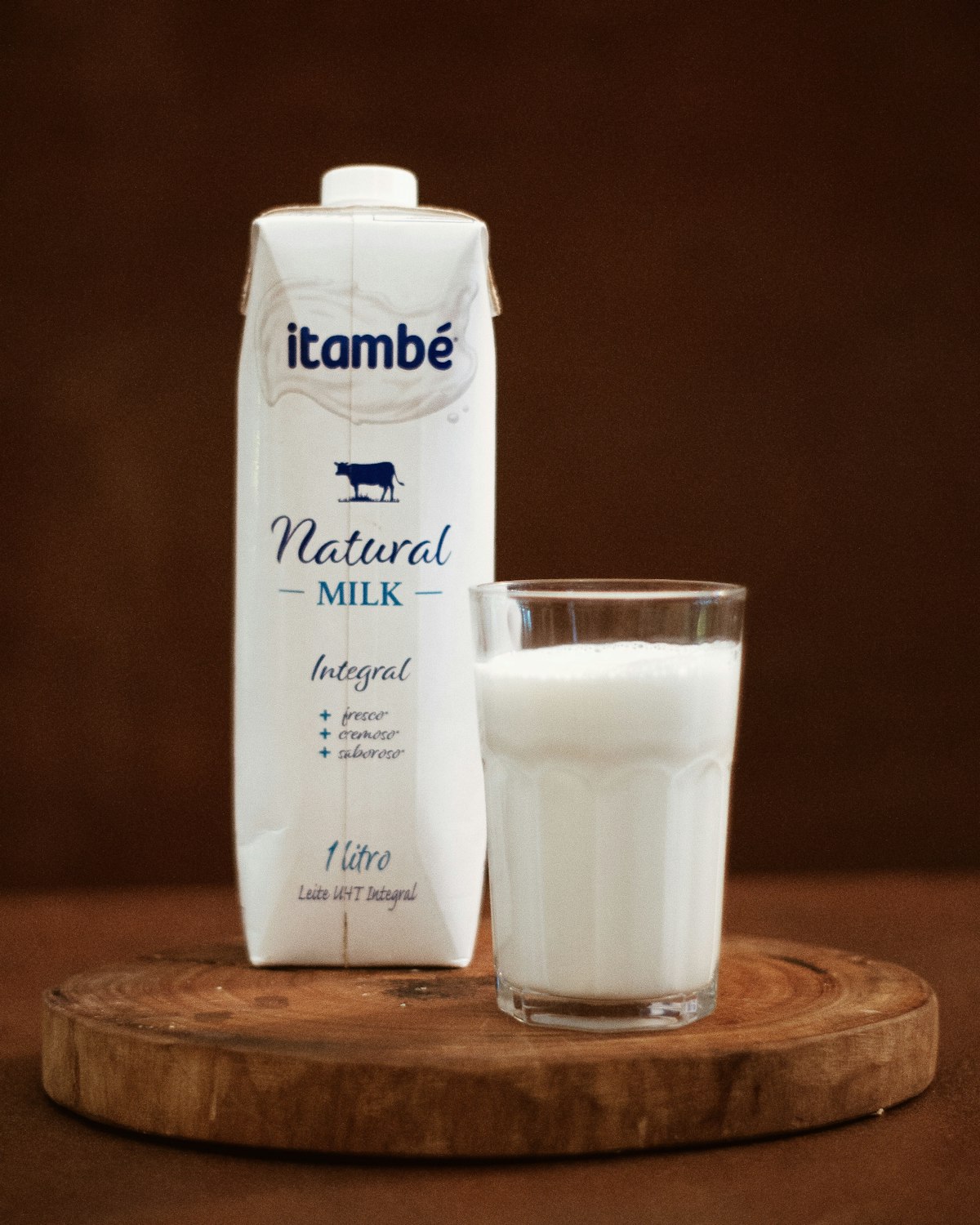
Milk adulteration detection guide — common adulterants (water, urea, detergent, melamine), testing methods, and FSSAI quality standards.
How LC-MS/MS detects banned nitrofuran metabolites in eggs at 0.003 µg/kg. EU 0.5 µg/kg RPA, FSSAI surveillance, AOZ/AMOZ/SEM/AHD analysis, withdrawal rules, and lab confirmation.
13–15% of India's groundwater samples contain unsafe uranium. Learn how to test your water, BIS/WHO limits, ICP-MS methodology, and mitigation options.
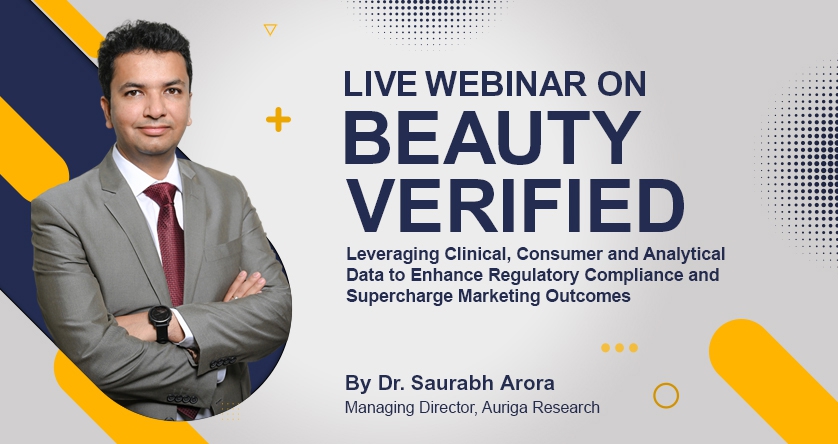
Recap of Auriga's Beauty Verified webinar — how brands can substantiate cosmetic claims with clinical, consumer, and analytical testing. With Dr. Saurabh Arora, full video inside.
Complete guide to milk adulteration in India — common adulterants (water, urea, detergent, starch, formalin), home tests, laboratory testing methods, and FSSAI standards.
Desi ghee vs Vanaspati: nutritional comparison, trans fats, health risks, FSSAI standards, and ghee adulteration testing. NABL-accredited food testing lab in India.
Butter vs margarine — nutritional differences, trans fat risks, FSSAI standards, and adulteration testing. NABL-accredited food testing lab in India.
A 2025 study found 22% of Indian personal care products exceeded formaldehyde safety limits. What FRPs are, why they're a Group 1 carcinogen risk, and how HPLC detects them.
Mercury contamination in skin creams and whitening products is a Group 1 toxin risk. Indian Cosmetic Rules 2020 1 ppm limit, Minamata Convention, and ICP-MS testing explained.
How HPLC detection of oryzanol exposes rice bran oil adulteration in mustard oil. FSSAI surveys show 33% of Delhi-NCR samples contaminated. Method, limits, and lab confirmation.
How the Butyro-Refractometer (BR) test detects ghee adulteration with vegetable oils, vanaspati, and animal body fat. BR values, FSSAI limits, procedure, and lab confirmation.
No posts in this category yet.
Get expert testing, analysis, and certification from India's largest NABL-accredited network.
Download a practical testing guide tailored to your industry — checklists, parameters, and regulatory tips in one place.
Get Free Guide Request a Quote InsteadNo thanks, I'll keep browsing